
|
|
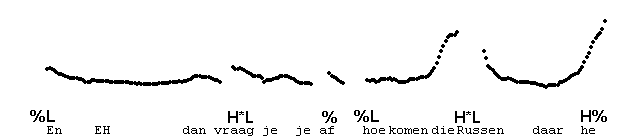
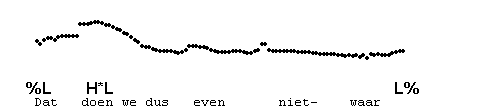
The other tags, too, may show a bias towards H*L H%. However, here is an example with H*L L% and nietwaar.
|
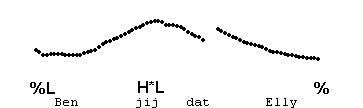
Vocatives are similarly tagged onto the sentence, and kept in the same IP. A combination of a word and a vocative, such as (Wil je) koffie, Dik? therefore sounds the same as a compound, Koffiedik in this case. The vocative need not be a name, but could be any description of the addressee used as a vocative, including expletives. Here are some examples.
|

|

|
An entire clause may be appended in this way, by way of cohesion marker. In the following example, the clause als je begrijpt wat ik bedoel is similar in meaning to of course.

|
Referents of pronouns may be made explicit as unaccented, appended items, as in the next example.

|
Various approximative items, like ongeveer, of zoiets, en dergelijke are similarly treated.

|
These unaccented tags differ from accented words that appear in similar positions, but represent different constructions, as shown by the following examples.

|

|
EXERCISE 7A
(tagged constructions)